Published November 16, 2026 · WaterCare Crew
Well Pump Maintenance for Commercial Properties in St. Johns and Flagler Counties
The short version
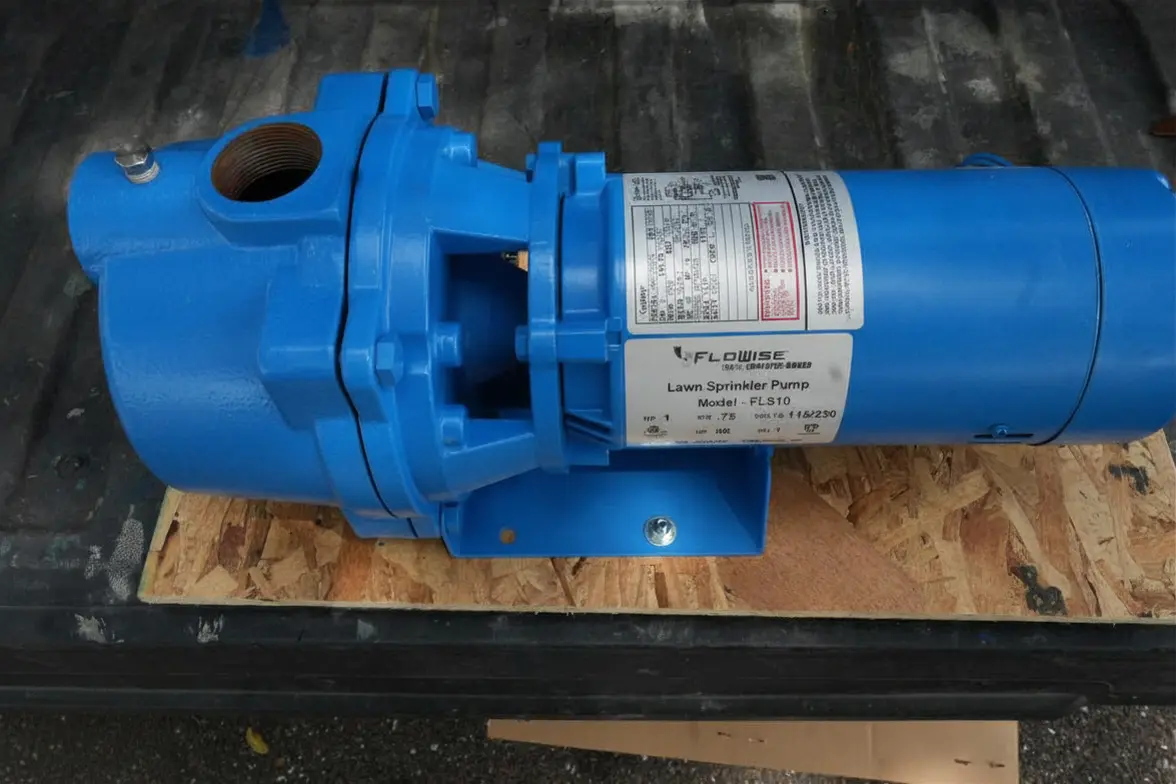
Commercial well pump maintenance in St. Johns and Flagler Counties keeps your water supply reliable and your operating costs manageable. Properties that depend on well water for irrigation, wash stations, manufacturing processes, or building supply need pumps that perform consistently. The Floridan aquifer that serves most of Northeast Florida provides abundant water, but the sulfur and mineral content common in our groundwater, along with the iron found in shallower surficial wells, creates specific maintenance needs. This guide explains what commercial property owners should know about keeping their well pump systems running efficiently.
WaterCare Irrigation and Well serves property managers, HOA boards and homeowners across Flagler, Volusia, St. Johns, Putnam, and Duval Counties. Here is what we look for and what we recommend.
Why Do Commercial Well Pumps in Florida Need Regular Maintenance?
Commercial well pumps in Northeast Florida work harder than many property owners realize. The conditions specific to our region create maintenance needs that differ from other parts of the country.
The Floridan aquifer provides most of the groundwater for properties in St. Johns County, Flagler County, and surrounding areas. This limestone aquifer produces water with dissolved minerals including calcium, magnesium, and sulfur, while shallower wells drawing from the surficial aquifer often carry dissolved iron as well. These minerals build up inside pumps, pressure tanks, and piping over time. Without regular maintenance, this buildup reduces efficiency and shortens equipment lifespan.
Iron content in shallow well water deserves special attention. Properties throughout Palm Coast, St. Augustine, Nocatee, and Fruit Cove with shallow surficial wells commonly see iron levels that stain fixtures and clog irrigation systems. Deep wells that reach the Floridan aquifer draw naturally iron-free water, which is why a deep well is often the long-term fix. Commercial properties using well water for irrigation spray orange residue on buildings, sidewalks, and vehicles when iron levels go unchecked. Maintenance programs that address iron before it causes visible problems save significant repair and cleaning costs.
Sulfur, which creates the distinctive rotten-egg smell in some Florida well water, indicates hydrogen sulfide gas. While not dangerous at levels typical in Flagler and St. Johns County wells, this gas can corrode pump components and piping. Properties in Bunnell, Flagler Beach, and areas closer to the coast sometimes see higher sulfur levels that require more frequent attention.
Sandy soils throughout Northeast Florida allow surface contaminants to reach shallow wells more easily than clay soils would. Commercial properties with surficial aquifer wells need pump inspections that include water quality testing to catch problems early.
What Does Commercial Well Pump Maintenance Include?
Comprehensive commercial well pump maintenance in Northeast Florida addresses the complete system from the wellhead to the pressure tank and distribution lines.
Pump performance testing measures flow rate, pressure output, and electrical consumption. Comparing current numbers to baseline measurements reveals efficiency losses before they become failures. A pump gradually losing capacity gives warning signs that allow planned replacement rather than emergency service calls.
Electrical system inspection covers the control box, wiring, capacitors, and contactors. Florida humidity and temperature fluctuations stress electrical components. Properties in coastal areas like St. Augustine Beach, Flagler Beach, and Jacksonville Beach see faster corrosion of electrical connections due to salt air exposure.
Pressure tank inspection checks for waterlogging and proper pre-charge pressure. A waterlogged tank forces the pump to cycle more frequently, increasing wear and electrical costs. Many commercial properties in St. Johns and Flagler Counties have pressure tanks sized for original building use that no longer match current demand. Maintenance visits identify these mismatches.
Wellhead inspection ensures proper sealing and sanitary protection. Florida well construction standards require specific wellhead configurations to prevent surface water from entering the well. Maintenance technicians check that caps, seals, and grout remain intact.
Water quality sampling may be included depending on property use. Commercial properties using well water for food service, healthcare, or other regulated purposes need documented water quality records. Properties using water only for irrigation may test less frequently but should still monitor for changes that indicate well or pump problems.
How Often Should Commercial Properties Schedule Well Pump Service?
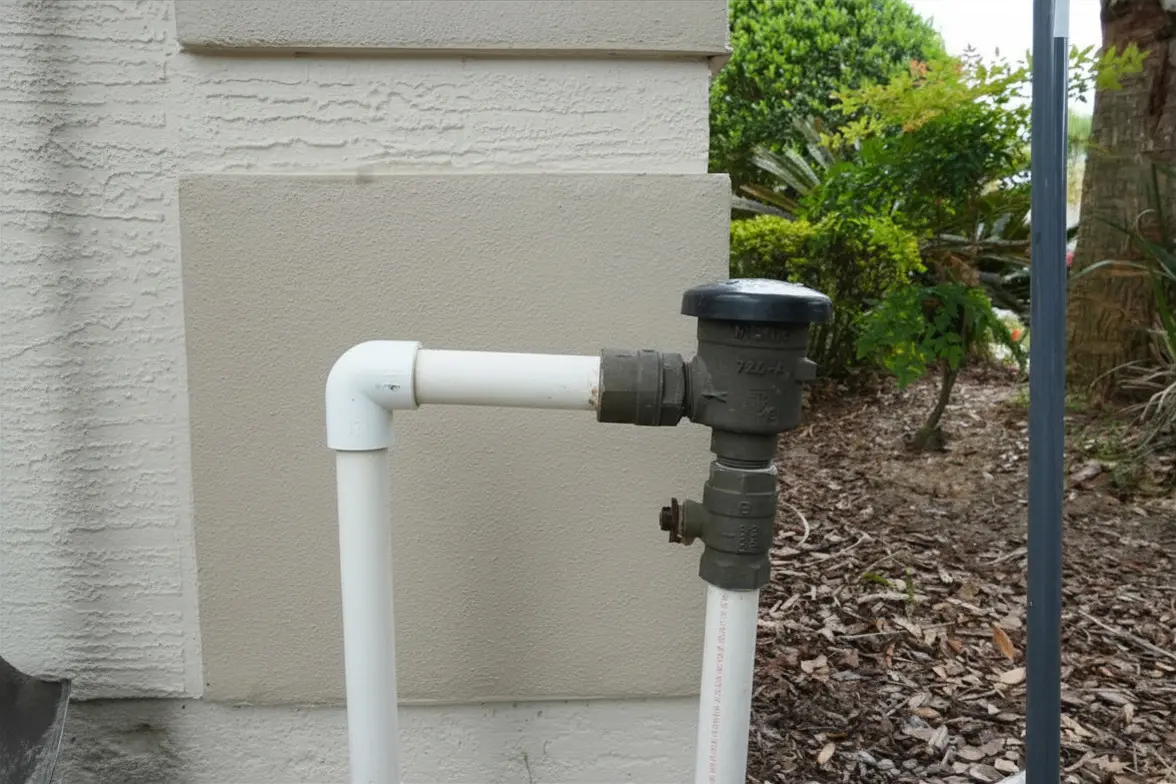
The right maintenance frequency depends on property type, water usage volume, and local water quality conditions. General guidelines provide a starting point, but each commercial property in Northeast Florida has unique factors to consider.
High-usage commercial properties typically benefit from quarterly maintenance visits. Car washes in Daytona Beach, nurseries in Hastings, and in Putnam County run their well pumps many hours daily. This intensive use justifies more frequent inspection and service.
Medium-usage properties often find semi-annual maintenance appropriate. Office buildings, retail centers, and HOA common areas in Daytona Beach, Palm Coast, and Ormond Beach use significant water but not at industrial volumes. Scheduling maintenance in spring before the dry season irrigation push and in fall before winter provides good coverage.
Lower-usage properties may maintain their system annually while remaining watchful for problems between visits. Small commercial buildings or properties where well water serves only irrigation may need less frequent professional service, though property managers should know warning signs that warrant earlier attention.
Water quality factors can increase maintenance frequency regardless of usage. Properties drawing from shallow wells with high iron content, or from wells with sulfur odor or hard water, may need more attention than low-mineral water sources would require. A property in DeLand with clean water might be maintained annually while a similar property in Palm Coast on a shallow well with high iron maintained quarterly.
System age also affects scheduling. Newer commercial well pumps often run several years with minimal attention beyond annual checks. Pumps more than ten years old benefit from more frequent inspection as components age. The average submersible pump lifespan of 8 to 15 years means many commercial properties are operating pumps that warrant careful monitoring.
What Are Warning Signs of Commercial Well Pump Problems?
Property managers and maintenance staff who know the warning signs of well pump trouble can act before minor issues become major failures. Several indicators suggest a commercial well pump needs professional attention.
Pressure fluctuations that users notice indicate potential pump or pressure tank problems. Faucets that vary between strong flow and weak flow, or irrigation systems with inconsistent spray patterns, point to pressure irregularities. Properties in St. Augustine, Palm Coast, and Jacksonville should not ignore these symptoms.
Unusual noises from the well or pump system warrant immediate inspection. Clicking sounds from the pressure switch cycling on and off repeatedly suggest a waterlogged tank or failing pump. Grinding or rumbling sounds from a submersible pump can indicate bearing wear or sand intrusion.
Higher electrical bills without increased water usage often reveal a struggling pump. As pumps wear, they draw more power to produce the same output. Reviewing utility records can reveal gradual efficiency loss that maintenance can address.
Sputtering air in water lines indicates the pump is drawing air along with water. This can result from a dropping water table, a leak in the drop pipe, or a pump set at the wrong depth. Properties throughout Flagler County occasionally see water table fluctuations during dry spring months that cause temporary sputtering.
Water quality changes including new sediment, color shifts, or odor changes suggest problems that may involve the pump, well, or both. A sudden increase in sand indicates a failing pump screen or a shifting well casing. New iron staining on a shallow well suggests changes in aquifer conditions or pump depth issues.
Reduced flow rate from what the system historically produced points to pump wear, clogged screens, or mineral buildup in pipes. Commercial properties should know their normal flow rates to recognize when decline begins.
How Does Florida's Climate Affect Commercial Well Pumps?
Northeast Florida's climate creates specific conditions that commercial well pump systems must handle. Understanding these factors helps property owners maintain their systems appropriately.
Hurricane season from June through November brings power outages that affect well pump operation. Commercial properties without backup power lose water supply during extended outages. Properties in flood-prone areas of St. Johns County, low-lying areas of Flagler County, and riverfront locations in Putnam County should ensure wellheads remain above potential flood levels. Floodwater entering a well creates contamination that requires professional remediation.
Lightning strikes pose significant risks to well pump electrical systems. Florida has one of the highest lightning rates in the country, and Northeast Florida sees intense summer afternoon storms. Commercial properties should have proper surge protection on well pump circuits. Properties in open areas without tall structures nearby face higher strike risks than those in developed areas with taller buildings.
Humidity levels in Florida accelerate corrosion of exposed electrical components. Control boxes, pressure switches, and wiring connections deteriorate faster than in drier climates. Maintenance programs should include electrical connection cleaning and protective coating applications appropriate for our environment.
Seasonal demand variations affect pump operation in ways that matter for maintenance scheduling. Summer irrigation demands push pumps harder, while winter usage drops significantly. This cycling creates expansion and contraction stress on components. Properties that shut systems down completely during winter may see more gasket and seal problems than those maintaining minimal operation.
The dry spring season, typically March through May before summer rains arrive, represents peak demand for irrigation wells in Flagler, Volusia, and St. Johns Counties. Scheduling maintenance before this period ensures pumps are ready when demand increases. The St. Johns River Water Management District irrigation restrictions still apply during dry periods, but allowed watering times see maximum pump run times.
Next steps
Keep your commercial well pump system running reliably. WaterCare Irrigation and Well provides professional well pump maintenance for commercial properties throughout St. Johns, Flagler, Volusia, Putnam, and Duval Counties. Get an estimate for a maintenance program designed for your property's specific needs and water quality conditions. Learn more about our commercial well and pump services, or see our residential well and pump services, Northeast Florida service area and frequently asked questions.