
Published October 12, 2026 · WaterCare Crew
Signs Your Well Pump Is About to Fail
The short version
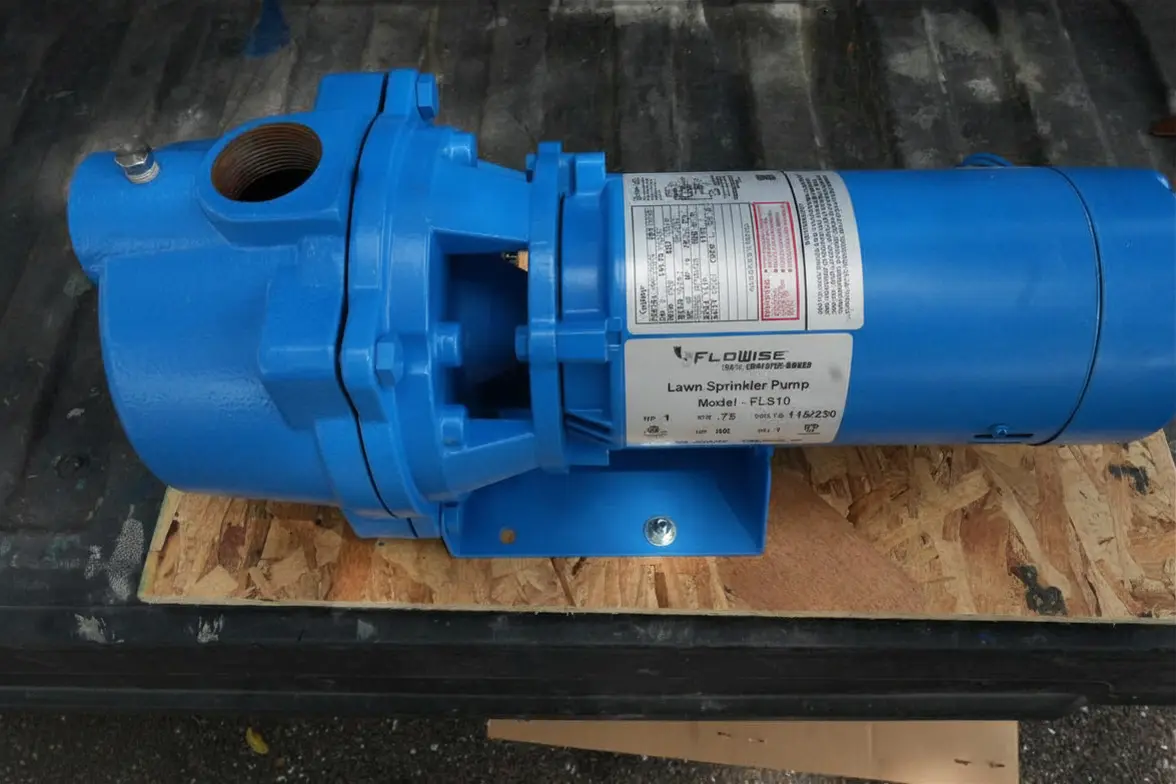
The five most reliable early signs of a failing well pump are short-cycling on and off, water pressure that drops gradually over weeks, faucets that sputter or spit air, water that runs cloudy or sandy, and an electric bill that climbs with no change in household usage. Each of these is a symptom of something specific, and each one is cheaper to address before the pump stops entirely.
Well pumps rarely fail without warning. They fail after weeks or months of signals that are easy to explain away one at a time: pressure seems a little weak, the water looked cloudy once, the pump seems to run more than it used to. The homeowners who end up with no water on a Sunday afternoon are almost always the ones who had two or three of these signs running in the background.
WaterCare has serviced pumps and wells across Flagler, Volusia, St. Johns, Putnam, and Duval Counties for more than 35 years. Here is what we look for, and what each sign usually turns out to be.
1. The pump cycles on and off every few seconds
This is called short-cycling, and it is the sign most worth acting on quickly. The pump switches on, builds pressure for a moment, shuts off, then starts again. You can often hear it from inside the house.
The usual cause is a pressure tank that has lost its air charge, or a failing pressure switch. Neither is a large repair on its own. Left running, though, short-cycling puts the motor through many times its designed number of starts, and motor starts are what wear a pump out. A tank recharge or a switch replacement now is a very different job from a pump replacement later.
2. Water pressure drops slowly over weeks or months
A pump losing capacity usually announces itself as a gradual decline rather than a sudden failure. Showers feel weaker. A hose bib that used to have real force behind it does not. Irrigation zones take longer to cover the same ground, or heads that used to throw a full arc no longer reach the edges.
The gradual pace is what makes this one easy to miss. Households adjust to declining pressure without registering it. If you find yourself thinking the water "has never been great," it is worth having someone measure it, because a pump can be well down from its rated output while still delivering enough to seem normal.
3. Faucets sputter or spit air
Air in the lines means the system is drawing something other than water at some point in the cycle. Usually that is the well drawing down faster than it recovers, so the pump briefly pulls air, or a leak in the drop pipe letting air into the column.
Either explanation matters more than the symptom suggests. Both indicate a problem below ground, and a pump that intermittently runs dry is being damaged every time it happens. This one is often mistaken for a faucet or aerator problem, so it goes unreported for a long time.
4. Water runs cloudy or sandy
Sand is the sign with the widest reach, because it does not stay in the well. It travels through every valve, fixture, and appliance downstream, wearing seals and seats as it goes. Homeowners often see the effects first in irrigation solenoids that stop sealing, or a toilet valve that will not shut off.
Sand or persistent cloudiness generally points to a failing well screen, a pump set too low in the casing, or a well that is pulling from a collapsing zone. It needs diagnosis at the well, not at the tap. Filtering at the fixture treats the symptom while the cause keeps working on the rest of the plumbing.
5. The electric bill climbs with no change in usage
A pump losing efficiency works harder for less output, and it runs longer to deliver the same amount of water. That shows up on the power bill before it shows up at the faucet. If your bill has moved up over a few months with no new appliances, no additional people in the house, and no change in habits, the well pump belongs on the list of suspects.
It is a soft signal on its own, since rates and weather move bills too. Paired with any of the four signs above, it is a strong one.
Why does catching it early cost less?
A planned pump replacement is a scheduled service call. The same replacement after total failure tends to arrive with company: a pressure tank damaged by short-cycling, irrigation valves worn by sand, interior fixtures that need attention, and the labor premium that comes with after-hours or weekend emergency work. It also comes with a household that has no water until the work is done, which in a well-served area is not a matter of hours.
We would rather look at a pump that is showing symptoms than replace one that has stopped. It is a smaller job, it can be scheduled, and it comes with options instead of a single urgent path.
What should you do next?
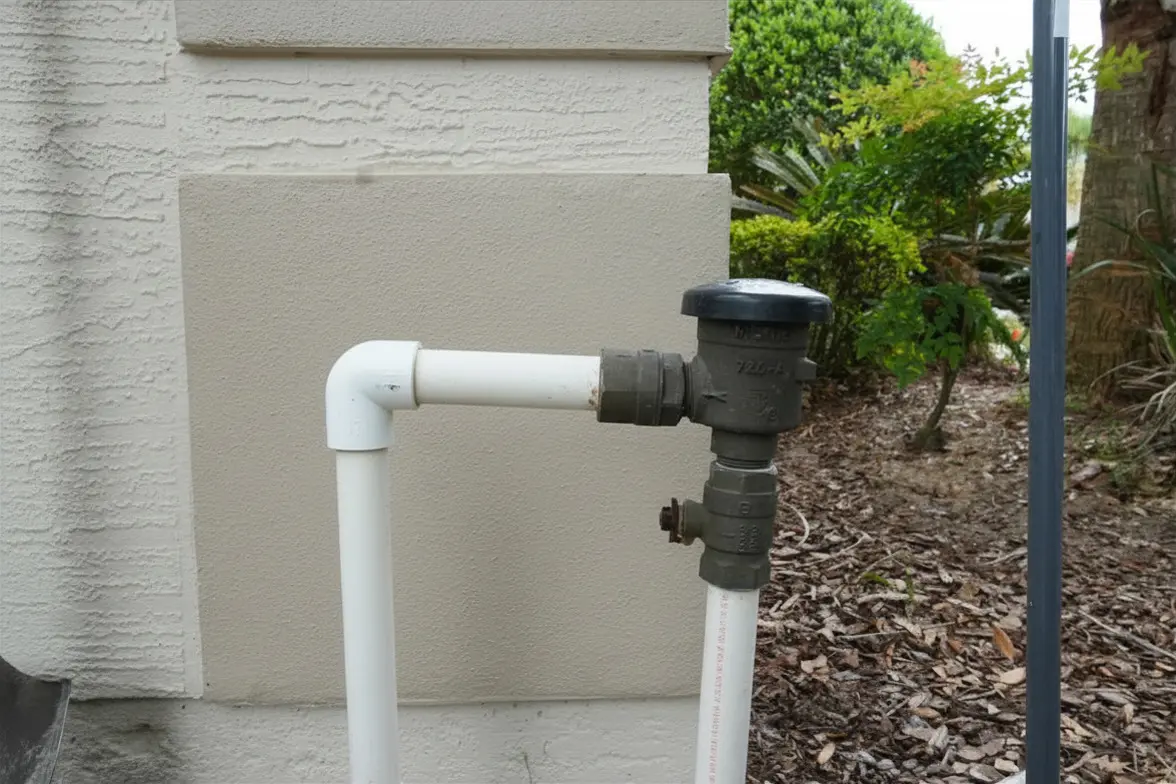
If you have noticed one of these signs, keep an eye on it and note when it happens. If you have noticed two, schedule a pump and well evaluation. Our residential well pump repair work begins with diagnosis: a technician checks the pressure switch and tank charge, measures actual delivered pressure and flow, tests the control box and electrical draw, and looks at water clarity, then tells you what is failing and what your options are. Repairs carry a one-year warranty on parts and labor.