Published November 16, 2026 · WaterCare Crew
Commercial Irrigation Winterization in Northeast Florida: What Property Managers Need to Know
The short version
Commercial irrigation winterization in Northeast Florida protects your system from cold snaps that can crack pipes and damage backflow preventers. While our region stays mild compared to northern states, temperatures in Flagler, Volusia, St. Johns, Putnam, and Duval Counties can reach the mid-20s during occasional freezes most winters, usually between November and February. Property managers and HOA boards who prepare their irrigation systems now avoid costly emergency repairs later. This guide explains what winterization involves for commercial properties and how to keep your landscape investment protected through the cooler months.
WaterCare Irrigation and Well serves property managers, HOA boards and homeowners across Flagler, Volusia, St. Johns, Putnam, and Duval Counties. Here is what we look for and what we recommend.
Why Does Commercial Irrigation Need Winter Preparation in Florida?
Many property managers assume Florida properties never need winterization. That assumption leads to preventable damage every year. Northeast Florida sees occasional freezes most winters, with lows that can reach the mid-20s in Palm Coast, St. Augustine, and Jacksonville.
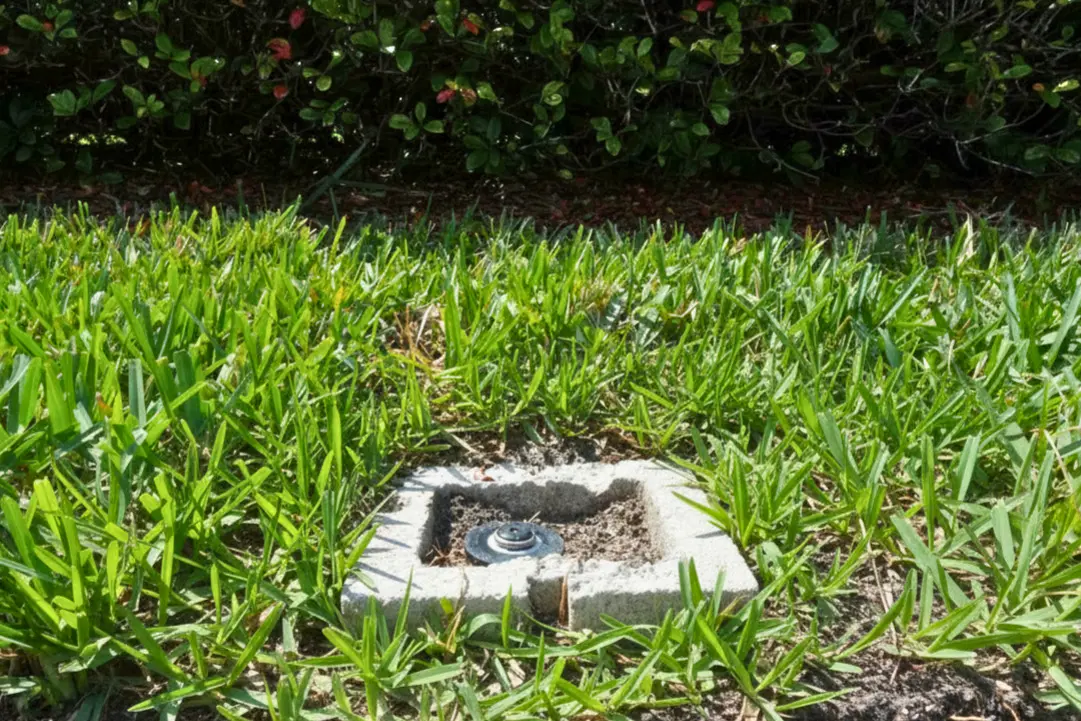
Commercial irrigation systems face specific risks during these cold periods. Backflow prevention devices sit above ground and contain water that expands when frozen. PVB and RPZ assemblies can crack internally even when exterior damage is not visible. Above-ground pipes along building exteriors are equally vulnerable.
The sandy soils common throughout Flagler County, Volusia County, and St. Johns County drain well, which means buried pipes generally stay protected. However, any exposed components need attention before the first hard freeze arrives.
Commercial properties also run larger systems with more zones, more valves, and more potential failure points than residential setups. A single cracked backflow preventer on a forty-zone system still shuts down the entire property until repairs are complete. November is the right time to inspect and prepare these systems before cold weather arrives.
What Does Commercial Irrigation Winterization Include?
Proper winterization for commercial properties in Northeast Florida involves several key steps. The process differs from northern states where full system blowouts are standard. Our mild climate requires targeted protection rather than complete drainage.
Backflow preventer inspection and insulation form the core of Florida winterization. Technicians check these devices for existing wear, test their function, and install insulated covers rated for our climate. Properties in Daytona Beach, Ormond Beach, and Port Orange near the coast may need different insulation approaches than inland properties in DeLand or Palatka due to wind exposure differences.
Controller programming adjustments follow the physical inspection. November marks the transition from our summer rainy season to drier winter months. St. Johns River Water Management District restrictions still apply, but watering needs to change. Reducing run times and adjusting start times to mid-morning rather than early morning helps prevent water sitting in pipes during the coldest overnight hours.
Valve box inspection ensures proper drainage around valves. Standing water in valve boxes can freeze and damage solenoids. Technicians clear debris, check for proper drainage, and note any boxes that need repositioning.
Rain sensor and soil moisture sensor testing rounds out the process. These devices prevent overwatering but can malfunction if water enters their housings and freezes. A quick functional test catches problems before they cause waste or system failures.
How Often Should Commercial Properties Schedule Winter Inspections?
Commercial properties in Northeast Florida benefit from one comprehensive winterization inspection each fall, typically in November before Thanksgiving. This timing allows any needed repairs to happen before the coldest months of December through February.
HOAs managing community common areas across multiple neighborhoods may need staggered scheduling. A property management company overseeing associations in Jacksonville, Nocatee, and St. Augustine might schedule inspections in rotation to ensure each property receives proper attention.
Retail centers and office parks in Volusia County and Flagler County often combine winterization with quarterly maintenance visits. This approach keeps costs predictable and ensures systems receive regular attention throughout the year.
Properties with older irrigation systems may warrant additional mid-winter checks. Systems installed more than ten years ago often have components that have become brittle and more susceptible to freeze damage. A follow-up inspection in January catches any developing problems before they become emergencies.
Healthcare facilities, schools, and government buildings in Duval County and Putnam County typically follow stricter maintenance schedules due to facility management requirements. These properties benefit from documented winterization protocols that satisfy compliance needs while protecting their irrigation investments.
What Are Common Winter Irrigation Problems in Flagler and Volusia Counties?
Certain winter irrigation issues appear repeatedly across commercial properties in our service area. Understanding these common problems helps property managers know what to watch for.
Backflow preventer damage tops the list. Properties in Palm Coast, Bunnell, and Flagler Beach see this frequently after hard freezes. The Atlantic coast location means sharp temperature drops when cold fronts move through. A backflow device that worked fine yesterday can show cracks today after a single night in the mid-20s.
Controller malfunctions increase during winter months. Power surges during storms can scramble programming or damage internal components. Properties throughout Volusia County, including Deltona and Holly Hill, see this issue regularly. Battery backup failures also occur when batteries age and cold temperatures reduce their capacity.
Head and nozzle problems emerge when freeze-thaw cycles affect plastic components. Commercial properties with older Hunter or Rain Bird heads may notice increased breakage rates during winter. The temperature swings common in New Smyrna Beach and DeLand stress plastic parts more than steady cold would.
Valve failures become more likely in winter, particularly in systems where valves are exposed or poorly insulated. Solenoid wiring can become brittle, and diaphragms may crack. Properties with underground valve boxes in poorly draining areas face higher risks.
Water hammer damage can occur when systems are turned on after being off during freezing temperatures. Starting irrigation too soon when pipes contain ice causes pressure spikes that crack fittings and damage valves. This problem affects commercial properties more severely because larger pipe sizes mean more water and more pressure.
How Should Property Managers Prepare for Freeze Events?
Beyond annual winterization, property managers need a response plan for individual freeze events. Northeast Florida sees occasional freezes most winters, with lows that can reach the mid-20s.
Monitoring weather forecasts becomes essential from November through March. The National Weather Service issues freeze warnings and hard freeze warnings that give property managers time to act. Properties in St. Augustine, Fruit Cove, and Jacksonville should sign up for weather alerts specific to their county.
Before an expected freeze, check that backflow insulation covers are secure. Wind can shift covers, leaving devices exposed. A quick property walk-through the afternoon before a freeze event takes minimal time but prevents significant problems.
Know your system's shutoff locations. If a hard freeze with lows in the mid-20s or below is forecast, shutting off irrigation water and draining backflow devices provides the best protection. Commercial properties should have this shutoff process documented so any staff member can handle it.
After a freeze event, wait until temperatures rise above forty degrees before inspecting the system. Running irrigation on a system with damaged components wastes water and can make damage worse. A visual inspection looking for obvious cracks or leaks should happen before normal operation resumes.
Document any damage for insurance purposes if applicable. Take photographs before moving or touching damaged components. Your irrigation service provider can help identify whether damage is freeze-related or from other causes.
Next steps
Protect your commercial irrigation investment before winter weather arrives. WaterCare Irrigation and Well serves property managers and HOAs throughout Flagler, Volusia, St. Johns, Putnam, and Duval Counties. Schedule a service call to have your system inspected and winterized by experienced technicians who understand Northeast Florida conditions. Learn more about our commercial irrigation services, or see our Northeast Florida service area and frequently asked questions.