
How Much Does It Cost to Drill a Well in Florida?
Short answer:
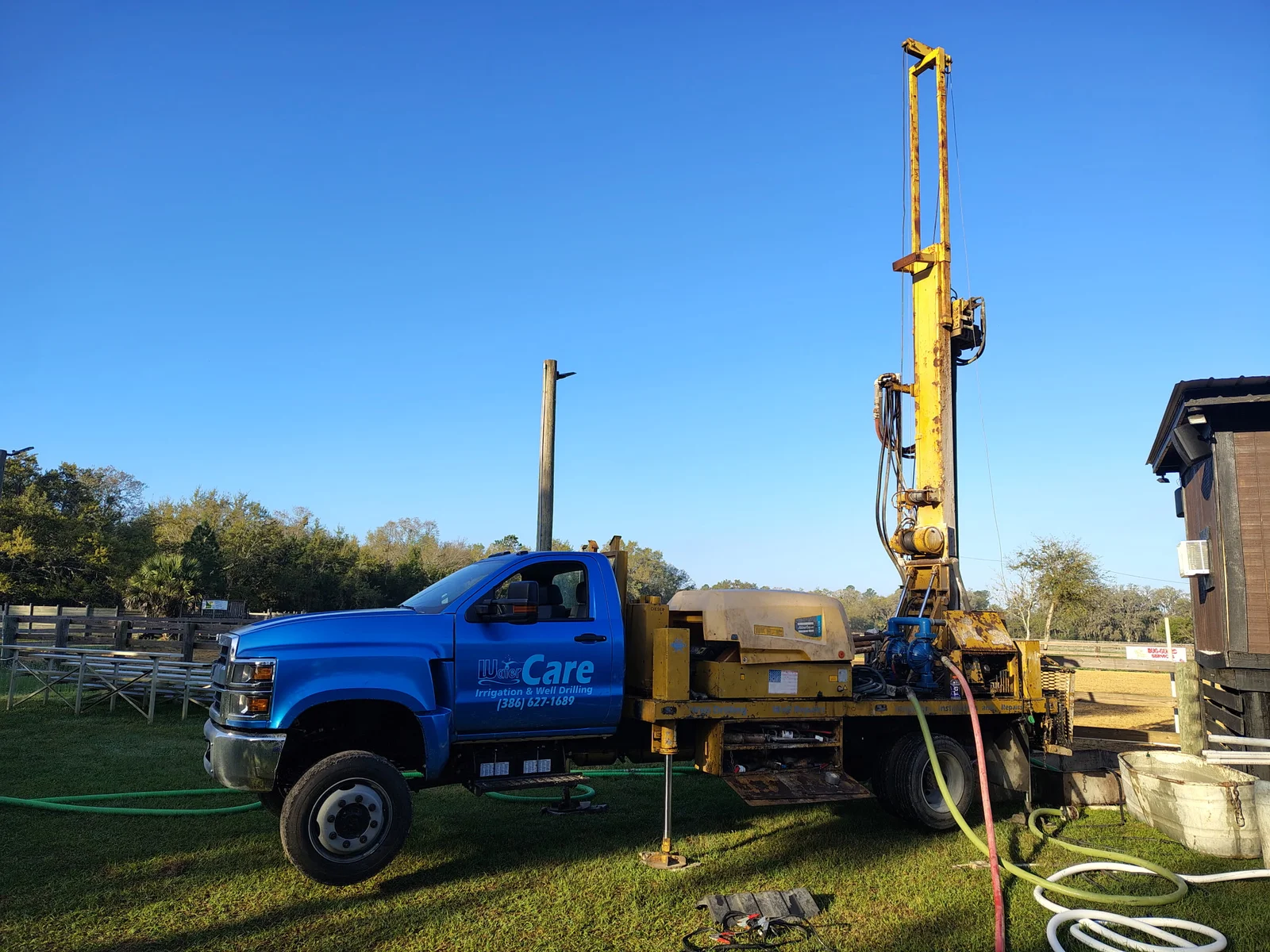
The cost of drilling a residential water well in Florida is driven mainly by depth, the pump and pressure equipment the well needs, and how the water will be used. A shallow irrigation-only well, typically 80 to 100 feet in this area, is a substantially smaller job than a deep truck-drilled well of 130 to 150 feet built for whole-home supply (in areas without municipal water service) or high-volume irrigation. WaterCare provides a written estimate after an on-site evaluation, the same day for most residential jobs.
Anyone quoting a single number for a Florida well without seeing the property is guessing. What follows is what actually moves the price, so you can tell whether an estimate you have been given makes sense.
What Actually Drives the Cost of a Florida Well?
- Depth. This is the largest single factor. A shallow well and a deep truck-drilled well are different jobs with different equipment, different time on site, and different materials.
- Casing and screen. Casing is the pipe that lines the borehole and keeps the well from collapsing, and the screen at the bottom lets water in while holding sand back. Their size depends on the pump the well needs and how much water you plan to draw, and iron-heavy or unstable zones may call for different materials.
- Pump type and sizing. A shallow-well jet pump is a smaller cost than a deep-well submersible with a control box. The pump has to be matched to the well depth and the demand.
- Pressure tank and controls. Larger tanks and better controls cost more up front and generally extend equipment life by reducing pump cycling.
- How the water will be used. Irrigation-only, whole-home, and commercial-volume supply produce different specifications from the ground up.
- Permit. Most counties require a permit before drilling, and fees vary by jurisdiction. In St. Johns County, the permit paperwork is submitted after the well is drilled.
- Site access. Whether the drill rig can reach the location affects setup, rigging, and time on site.
Shallow Well or Deep Well: Which Do You Actually Need?
Shallow wells in this area are typically drilled to 80 to 100 feet. They are the less expensive installation and are often adequate for lawn irrigation on smaller lots. Their main drawback in Northeast Florida is iron staining from shallow well water. The shallow aquifer zones here carry enough iron to stain siding, driveways, pavers, and landscape rock every time the sprinklers run.
Deep truck-drilled wells go to roughly 130 to 150 feet, reaching lower zones where iron content is substantially lower. They cost more up front. Homeowners irrigating large lots, running high-volume systems, supplying a whole home, or trying to end iron staining generally go this route.
Does the County Permit Cost Extra?
Yes, and it is a normal line in the project. Most Florida counties require a well permit before drilling begins; St. Johns County is an exception, where the paperwork is filed after the well is drilled. Either way, WaterCare handles the permit as part of the installation, so you are not filing paperwork or scheduling inspections yourself.
How Long Does a Well Installation Take?
Most residential wells in Northeast Florida are drilled and connected within one to two days on site, plus permit lead time before work begins. Deep wells are the more popular choice, so lead times are usually longer.
Why Does WaterCare Not List Prices Online?
Two reasons. Every property is different, and depth, soil conditions, pump sizing, and water use all move the number, so an internet price would be wrong for most people who read it. And our approach at WaterCare is to give you an honest, options-based estimate after actually looking at the property, rather than a headline figure that changes when someone shows up.
You will always have a written estimate in hand before you commit to anything.
How Do I Get a Real Number for My Property?
Call WaterCare at (386) 627-1689 or fill out our contact form to request an on-site consultation for our residential well drilling and well pump services. We evaluate the property, talk through how you plan to use the water, and provide a written estimate, the same day for most residential jobs. We have been drilling wells across Northeast Florida for more than 35 years, and we are licensed, insured, and family-owned.